You can save money before installation by deciding what you need, preparing a room plan and cutting features you are unlikely to use.
Gather the information for an estimate
Sketch the room with approximate dimensions and height. Mark furniture, windows, pipes, vents and lights. Take photos of the walls and an overview of the room.
Use the sketch for the initial estimate. Have the installer confirm final dimensions before anyone cuts the membrane. A mistake in the outline can cost more than a site visit.
How to divide the work
Your room plan and preferences
- Approximate dimensions and photos
- Furniture, curtains and lighting needs
- Access to the walls and arrangements for the work
Technical design
- Final measurements and cutting
- Fixings, membrane and complex details
- Installation and connection checks
Choose simpler details where they work
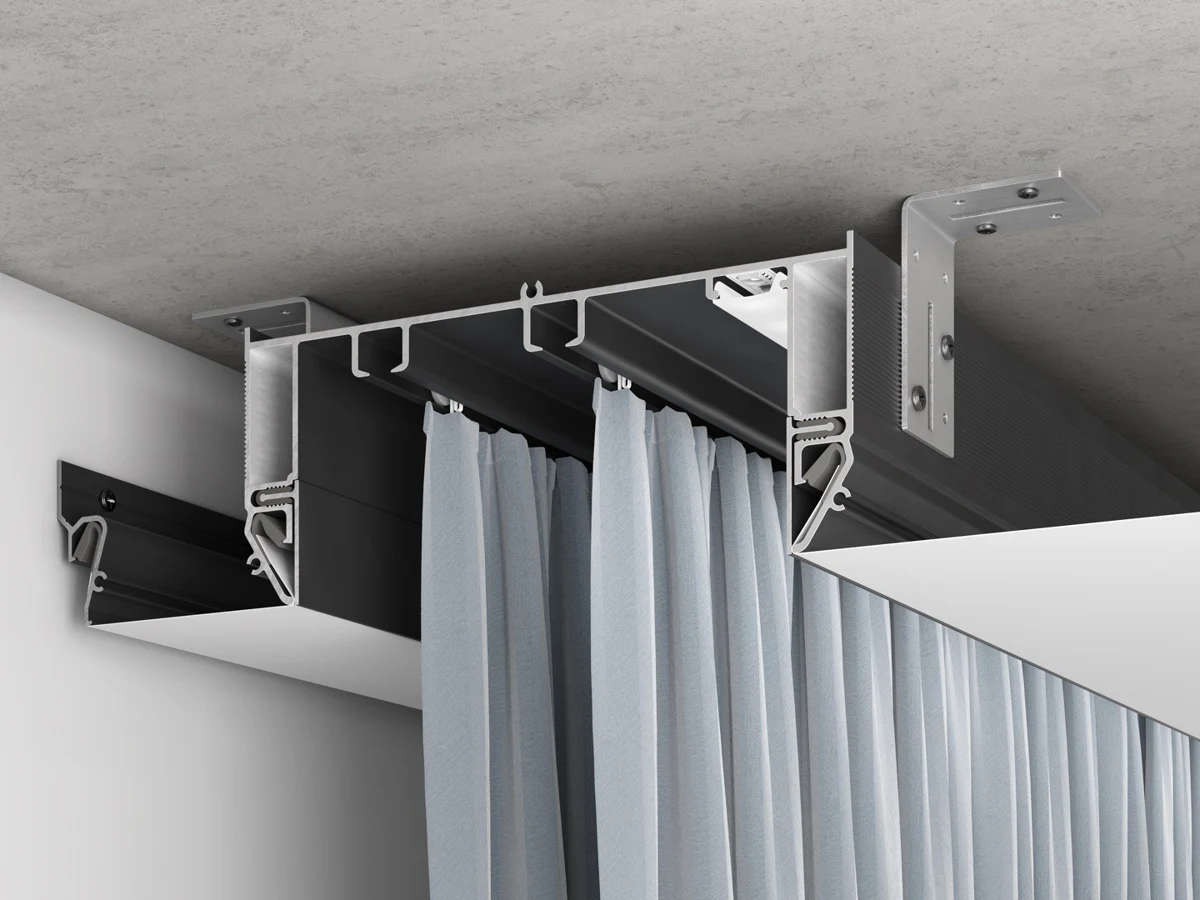
A single ceiling level with a standard perimeter and a few well-placed fittings usually needs fewer components than concealed tracks, linear lighting and complex curtain recesses. Compare both specifications for the same room. A light above the table may be more useful than lighting the full perimeter.
Switch between standard and shadow-gap profiles in the calculator to compare the total for the room.
What you can prepare yourself
- Clear the access to walls agreed with the installer.
- Remove personal belongings and protect heat-sensitive items if installation uses heat.
- Ask the building manager about access and permitted hours for noisy work.
- Agree on furniture, the curtain track and fitting positions.
- Photograph wiring and other services before they are covered.
Ask what preparation your system needs before doing any work on the supporting surface.
When DIY can cost more
Gas equipment, heat, concealed wiring and work at height call for suitable equipment and skills. An electrician should check the connections. The fitting method depends on the ceiling system.
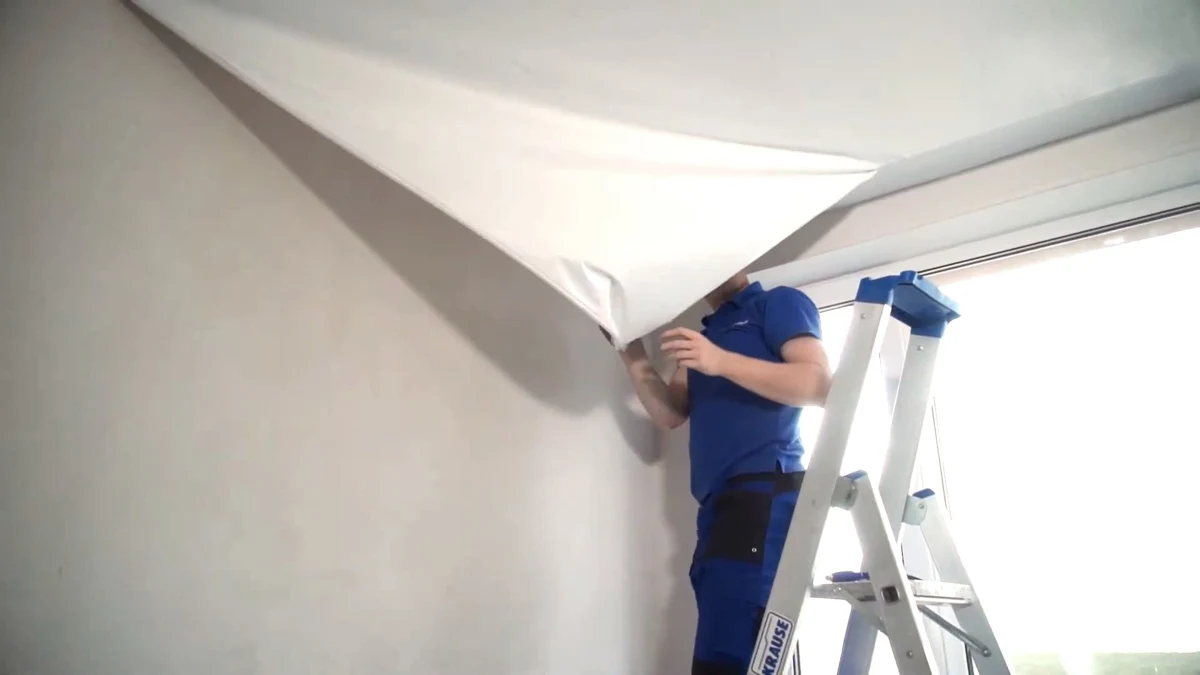
Some fabric ceilings need no heating. CLIPSO specifies room-temperature installation and trains installers in its system. Fixings, measurements and surface preparation still need to be right.
Price the tools and factor in the chance of damaging a membrane or needing supplier support before choosing DIY.